Sleep Apnea Therapy – Northampton, MA • East Longmeadow, MA
How to Rest Easier & Stop Snoring
Nearly 18 million Americans today are suspected to suffer from sleep apnea. This chronic sleep disorder not only robs you of the full night of rest you need to live life to the fullest, but it can even contribute to other serious health problems like high blood pressure, strokes, and heart attacks. Many patients don’t realize that trained dentists can actually provide sleep apnea therapy, offering an alternative to the traditional, clunky CPAP machine. At EMA Dental, we’re able to deliver this type of treatment and help our patients finally feel ready for the day ahead! Contact us today in either East Longmeadow or Northampton, MA to schedule a first appointment.
Why Choose EMA Dental for Sleep Apnea Therapy?
- Custom-Made Sleep Appliances for Each Patient
- Quiet, More Comfortable Alternative for CPAP Therapy
- Able to Stop Even Severe Snoring
What is Sleep Apnea?
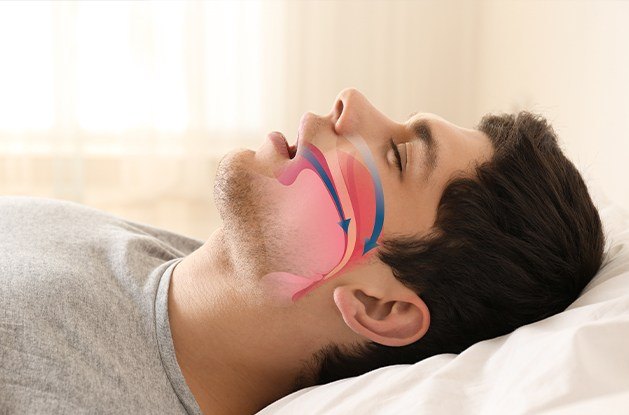
There are multiple types of sleep apnea, but the most common version by far is the one that our team is often capable of treating: obstructive sleep apnea. Also known as OSA, this condition occurs when a patient’s airway becomes partially or fully blocked during sleep. This may happen because of excess tissue at the back of the throat or the patient’s tongue, which relaxes when someone is unconscious.
Once the airway is blocked, oxygen is not able to flow to the brain properly. Your brain will alert you to this emergency by awakening you so that you can readjust. Patients may only be technically conscious for a few seconds and not even remember this moment in the morning, but interruptions like this can happen dozens or even hundreds of times every night.
Common symptoms of sleep apnea include the following:
- Loud, chronic snoring
- Excessive feelings of fatigue or exhaustion in the morning hours
- Problems with memory or concentration
- Experiencing a dry mouth or sore throat in the mornings
- Experiencing serious headaches in the mornings
- Constantly making trips to the bathroom throughout the night
How Do You Treat Sleep Apnea?
After you’ve been diagnosed with mild to moderate OSA by your physician or a sleep specialist, we encourage you to visit one of our practice locations and explore the possibility of oral appliance therapy.
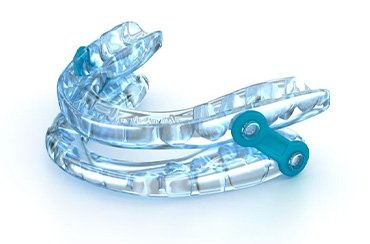
CPAP, the traditional treatment for sleep apnea, features a noisy machine, a facial/nasal mask, and loud noises throughout the night as it forces air down the throat. While effective, many patients simply go without CPAP treatment because it’s too uncomfortable. Alternatively, oral appliances are comfortable and removable devices that gently reposition your jaw or tongue during sleep. This will prevent the airway’s collapse and help you maintain a steady flow of air as you rest peacefully.
Understanding the Cost of Sleep Apnea Treatment
The cost of sleep apnea treatment from our Northampton team depends on a few factors. We can provide a clear estimate during your consultation, and we will be happy to answer your questions about payment options, such as convenient financing through CareCredit or Lending Club. Keep in mind that treating your sleep apnea is a worthwhile investment that can protect both your overall health and your quality of life!



Sleep Apnea FAQs
Does Everyone Who Snores Have Sleep Apnea?
No, not everyone who snores has sleep apnea, and not everyone who has sleep apnea snores. However, loud snoring is one of the most common and notable symptoms of sleep apnea. If you or your sleeping partner notice that you have been snoring, this is a good reason to see a professional to get to the bottom of the issues. To determine if sleep apnea is the reason for your snoring, you will need to undergo a sleep study. If you receive a positive diagnosis, steps can be taken to help you get the quality sleep you need to thrive during the day.
Will My Sleep Apnea Go Away If I Lose Weight?
The short answer to this question is – maybe! Being overweight is a major risk factor for obstructive sleep apnea. Excess weight and tissue can block the airway, so losing this weight can reduce this harmful tissue. However, there is a possibility that you could continue to have sleep apnea after reaching a healthy weight. You will need to complete another sleep test to figure out if you still have the condition.
How Should I Clean My Oral Appliance?
It is important that you keep your oral appliance to reduce your likelihood of cavities, gum disease, and other infections. You should gently brush and rinse your oral appliance every morning. When you aren’t wearing it, keep it in its case. Specialized denture cleansers can also be used to keep your oral appliance clean and fresh.
Will Oral Appliance Therapy Make CPAP Therapy Unnecessary?
CPAP therapy works by physically forcing air through the airway with a mask worn at night. Only about half of people who are prescribed CPAP therapy actually use it as directed. This is often because patients find it uncomfortable and impractical. In some cases, an oral appliance can replace CPAP therapy. In severe cases of sleep apnea, a combination could be needed. At EMA Dental, we use custom oral appliances to push your lower jaw forward, keeping your airway open.